

Café vs. Meeting Room in Zero-Ten Park: 6 Differences That Boost Productivity

You’re meeting a client, a co-founder, or a team that’s scaling faster than expected.
Someone suggests, “Let’s just meet at a café.” It sounds convenient. Low effort. Budget-friendly.
Two hours later, you’ve restated the same ideas, lowered your voice without noticing, lost a key thought to the whir of a blender, and ended with a non-committal “Let’s follow up.”
That’s not collaboration. That’s coping.
This is where meeting rooms in Zero-Ten IT Park Cebu change the equation. The difference isn’t about design or comfort. It’s about outcomes. Conversations that land clearly. Decisions that hold. Meetings that actually move work forward.
Good conversations are easy to have. Productive outcomes are not.
In open, uncontrolled environments, our brains spend energy filtering sound, movement, and social cues before we even get to the work. A study in the Journal of Environmental Psychology found that this constant background processing reduces working memory and decision accuracy—especially in group settings.
That’s why café meetings often feel productive… until you look at the outcome.
Meeting rooms change the equation.
They remove noise. They narrow focus. They create a subtle but powerful shift in behavior: when people step into a dedicated meeting space, conversations stop drifting and start converging. Ideas get challenged. Decisions get made. Work moves forward.
This is what we mean when we say:
where conversations turn into decisions—and good work actually gets finished.
1. Noise control vs. ambient buzz
Cafés rely on ambient noise: clinking cups, conversations, grinders, playlists chosen for vibes not clarity. For solo creative work, this can feel energizing.
Meeting rooms, on the other hand, offer intentional silence. You control the sound, the pace, and the flow of conversation.
Research from Cambridge Sound Management shows that speech intelligibility drops sharply in shared public environments, increasing cognitive load and mental fatigue. Translation: your brain works harder just to keep up.
At Zero-Ten Park’s meeting rooms, soundproofing isn’t a luxury. It’s a productivity tool.

2. Intentional meetings vs. accidental interruptions
In cafés, interruptions are social and constant. A barista calls out an order. A chair scrapes across the floor. Someone leans in to ask if the seat is free. Each interruption feels minor, almost harmless. But together, they steadily fragment attention and break the rhythm of a conversation.
Meeting rooms send a different signal. When someone enters, it’s intentional. They’re there for the discussion, not passing through it. That clarity reduces cognitive noise and keeps everyone aligned on why they’re in the room in the first place.
According to research from the University of California, Irvine, it takes an average of 23 minutes to fully regain focus after an interruption. Stack a handful of café-style disruptions into a one-hour meeting, and the real cost becomes clear: not just lost time, but diluted thinking and slower decisions.
3. Time discipline and decision speed
Café meetings tend to drift. One more coffee turns into a side story. A quick update becomes a long tangent. There’s no real beginning, no clear end—and often, no decision to point to afterward.
Meeting rooms create a psychological contract. We start on time. We stay focused. We leave with clarity. The space itself signals that this conversation has a purpose and an outcome.
Harvard Business Review has repeatedly shown that structured meetings with clear boundaries—defined start times, agendas, and goals—lead to faster consensus and higher-quality decisions. When time is framed and protected, thinking sharpens.
That’s why many of our members in our co-working space in Makati use cafés for rapport-building, then move into meeting rooms when alignment, commitment, and real decisions matter.
4. Psychological safety and focus depth
5. Tech, ergonomics, and reliability
Cafés were never designed for sustained work. WiFi comes and goes as more people connect. Power outlets are limited and contested. Chairs prioritize quick turnover, not posture or comfort. Over time, these small frictions add up—disrupting focus and quietly draining energy.
Meeting rooms at Zero-Ten Park are built for reliability. Business-grade internet stays stable. Screens connect instantly. Seating supports proper posture. The layout encourages collaboration instead of compromise. Nothing pulls attention away from the work because the space is designed to support it.
A workplace study by Steelcase found that poorly designed work environments can reduce productivity by up to 17%. The body reacts first—through discomfort and fatigue—long before the brain consciously registers the problem.
When the space works against you, productivity pays the price.
6. Social signaling and professional credibility
Where you choose to meet sends a message long before anyone speaks.
A café signals something casual and exploratory. It’s a space for early ideas, informal catch-ups, and conversations where the stakes are still light.
A meeting room, on the other hand, signals preparation. It shows respect for time, attention, and outcomes. When a conversation moves into a dedicated meeting room, it tells everyone involved that this discussion matters—and that a decision is expected.
Seasoned founders and executives understand this instinctively. They match the environment to the weight of the conversation, knowing that space influences behavior as much as agenda does.
At Zero-Ten Park, we see this play out every day. Members often start with warm-up conversations in nearby cafés, then bring clients into meeting rooms when it’s time to align, commit, and move the work forward.
That shift in setting is subtle—but it changes everything.

Cafés are great for:
- Casual catch-ups
- Creative solo work
- Informal first conversations
- Relationship-building without pressure
Meeting rooms are for:
- Decisions
- Alignment
- Negotiations
- Planning sessions
- Anything that needs clarity, not charm
The mistake is treating them as interchangeable. They’re not.
Where Zero-Ten Park Fits In
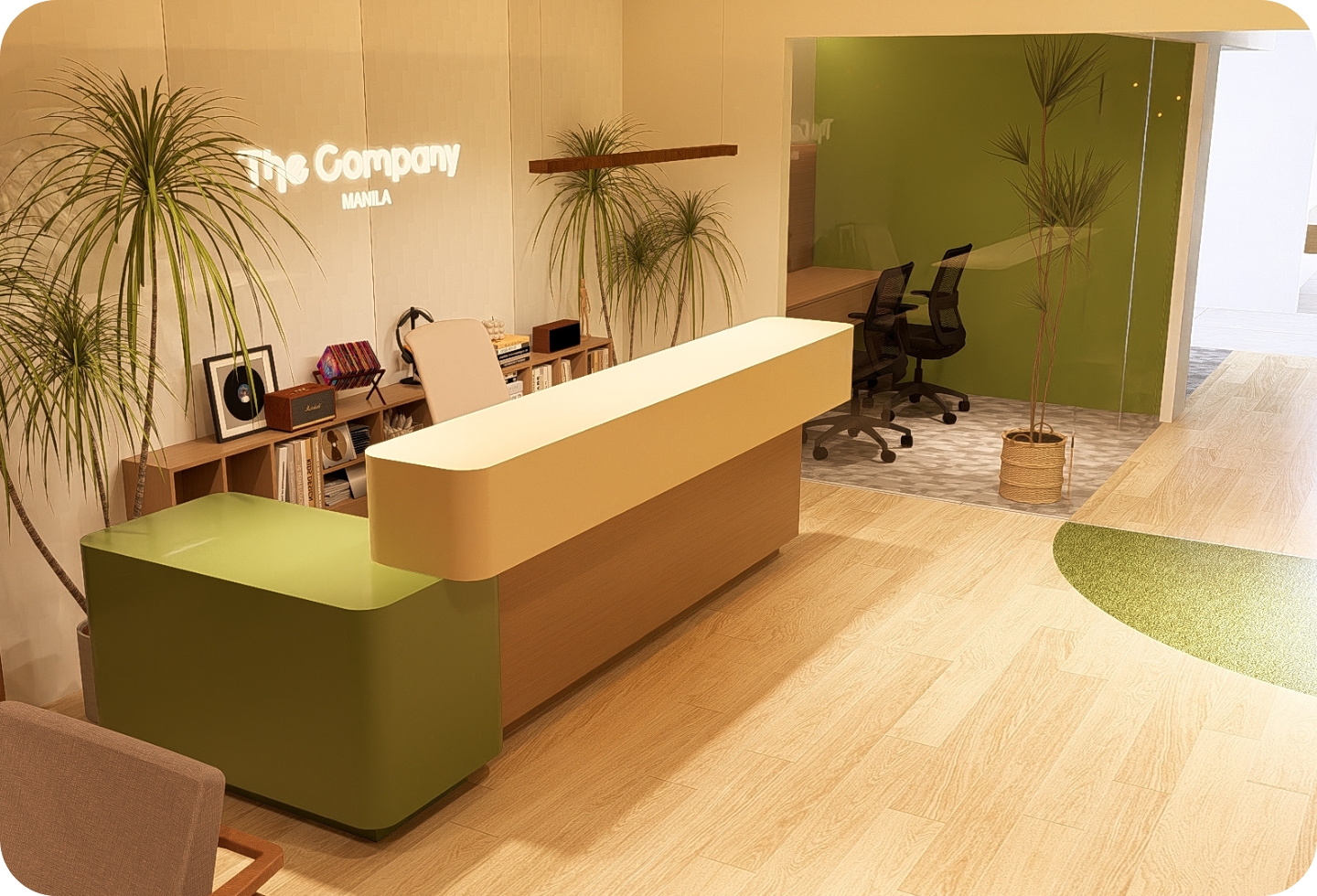
Inside Zero-Ten Park and The Company’s coworking spaces in Cebu and Makati, meeting rooms exist for this exact reason: to give teams a space where conversations turn into outcomes.
Not flashy. Not stiff. Just designed for work that matters.
If you’re choosing between another café meeting and actually moving something forward, you already know the answer.
Book a Meeting Room or Visit the Space
🔗 Check rates or inquire:
thecompany.ph/contact (double-check the branch and service before submitting)
🏢 Book a site visit:
- Cebu IT Park: https://www.webprocity.com/sv-thecompanyitpark/
- Mandaue: https://www.webprocity.com/sv-thecompanymandaue/
- Makati: https://www.webprocity.com/sv-thecompanymakati/
The right space won’t do the work for you.
But it will stop getting in the way.