

Strategy Planning for 2026: A Founder’s Blueprint from Makati’s Startup Hub

2025 reminded founders and startup leaders that traditional strategy planning—rigid, annual, and detached from execution—no longer works. Markets shifted overnight, technology accelerated, and teams needed more than directives—they needed clarity, autonomy, and space to move.
As 2026 approaches, the question is no longer what should we plan? It’s how can we plan in a way that ensures execution, adaptability, and team alignment?
At Zero-Ten Park, a leading startup hub in Makati, we see firsthand how founders and teams thrive when strategy is treated as a living system: flexible, people-centered, and deeply integrated with workflows and environment.
This guide is designed to help founders, startups, and Gen Z leaders navigate 2026 with confidence, clarity, and actionable steps.
Lessons from 2025: Why Old Planning Methods Failed
-
Rigidity Stifled Execution
Many startups entered 2025 with detailed 12-month roadmaps—but reality changed faster than the plans.
Example: A startup spent the first half of the year building a feature their users barely touched. By the time feedback reached leadership, valuable time and resources were lost.
-
Learning Became a Competitive Advantage
Teams that prioritized upskilling, whether in technology, decision-making, or leadership, adapted faster. Those who neglected learning fell behind.
Example: Two startups adopted the same AI tool. One trained its team first; the other didn’t. The trained team moved quickly and confidently, the other struggled.
-
Environment Shapes Performance
Remote work works for some—but many founders found that collaborative environments, like coworking spaces in Makati, accelerated decision-making, focus, and team alignment.
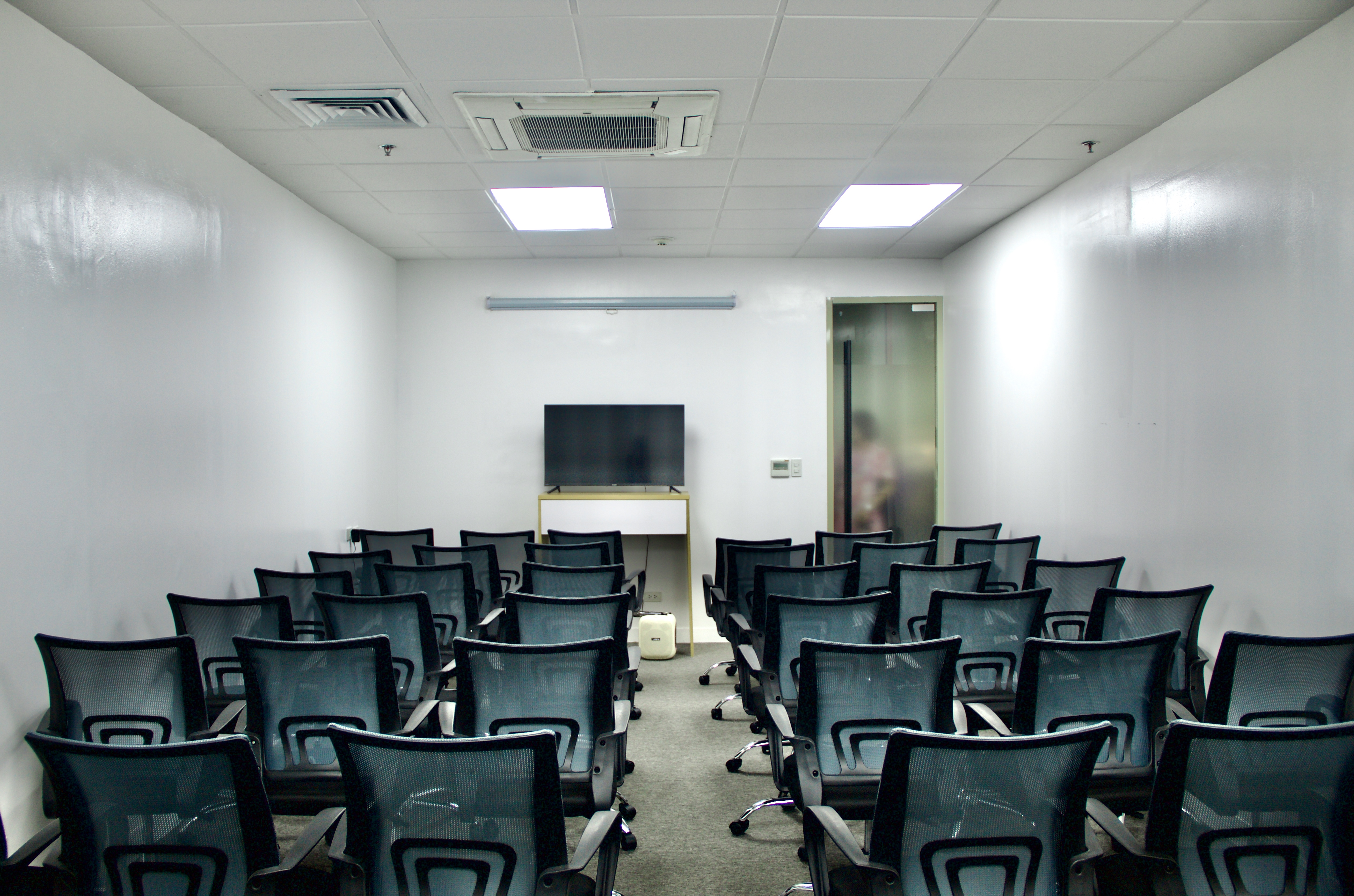
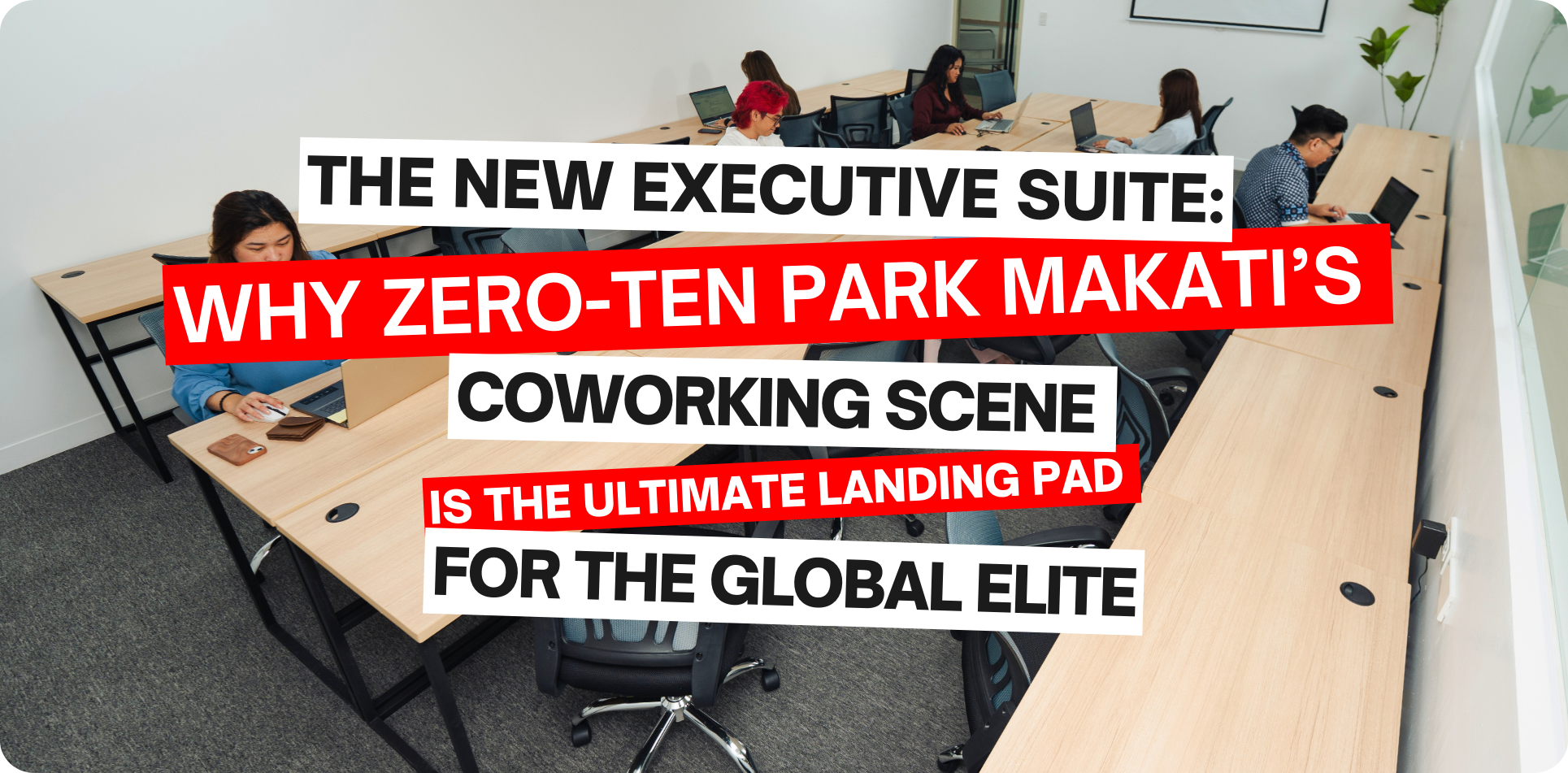
Executive 10: The Strategy Suite. > A sleek, adaptable workspace reconfigured for the future of work. From daily workflows to hosting specialized plenary sessions—such as our recent hackathon prep with Cursor PH—Executive 10 provides the professional backdrop and technical setup required for founders to turn big plans into reality.
The 2026 Mindset: Strategy as a Living System
Before frameworks and tools, founders need the right mindset:
Cyclical Planning: Move away from static, annual plans. Instead, plan in 90-day cycles with monthly reviews and weekly check-ins. This allows teams to adapt while staying aligned.
People-Centered Design: Gen Z leaders and modern teams value clarity and autonomy. Strategy should guide, not micromanage.
Scenario Preparedness: Instead of relying on one forecast, prepare multiple paths for growth, slowdowns, or unexpected spikes in demand.
Example: A startup may anticipate three outcomes for a new product: steady growth, slower adoption, or rapid virality. Each scenario has a simple response plan ready.
A Four-Step Framework for 2026 Strategy
At Zero-Ten Park, we help founders turn strategy from theory into execution using this simple, actionable framework:
Step 1: Diagnose Reality
-
Evaluate customer needs and market trends
-
Assess internal capacity, skills, and blockers
-
Identify outdated priorities
Example: A team discovers 40% of development effort goes toward a low-value feature and refocuses on their core product.
Step 2: Define Three Strategic Priorities
-
Limit focus to three pillars for 2026: core product improvement, team capability, and brand or community growth.
-
Keep each priority concise and actionable.
Step 3: Translate Strategy Into Workflows
-
Embed strategy into daily and weekly routines:
– Quarterly strategy day
– Monthly learning sprints
– Weekly unblock sessions
For coworking teams, space itself is a tool. At Zero-Ten Park, founders use dedicated strategy days, collaboration sessions, and peer learning circles to accelerate execution.
Step 4: Execute, Review, Adjust
-
Run 90-day cycles with clear goals and accountability
-
Conduct mid-cycle reviews to adapt
-
Capture lessons before the next cycle begins
Execution matters more than perfection. The fastest learning teams often win.
Strategy Workflows Tailored to Your Team
Solo Founders: One-day strategy reset, 90-day roadmap, weekly traction check-ins.
Small Startup Teams: Quarterly planning offsite, monthly KPI review, weekly alignment syncs.
Coworking Teams: Shared strategy days, founder peer sessions, community-led learning workshops.
These workflows work best in environments like Zero-Ten Park, where strategy, collaboration, and community converge.
Common Pitfalls to Avoid
-
Overplanning without feedback loops
-
Treating learning as optional
-
Keeping strategy isolated to leadership
-
Planning in isolation from team or customers
Avoiding these traps often has a bigger impact than fancy tools or software. In the fast-paced ecosystem of Makati, the most successful founders are those who treat their strategy as a dialogue rather than a monologue. By prioritizing agility and shared ownership, you transform your plan from a static document into a living engine for growth.

Why Zero-Ten Park Elevates Strategy
Space Feature at Zero-Ten Park Makati


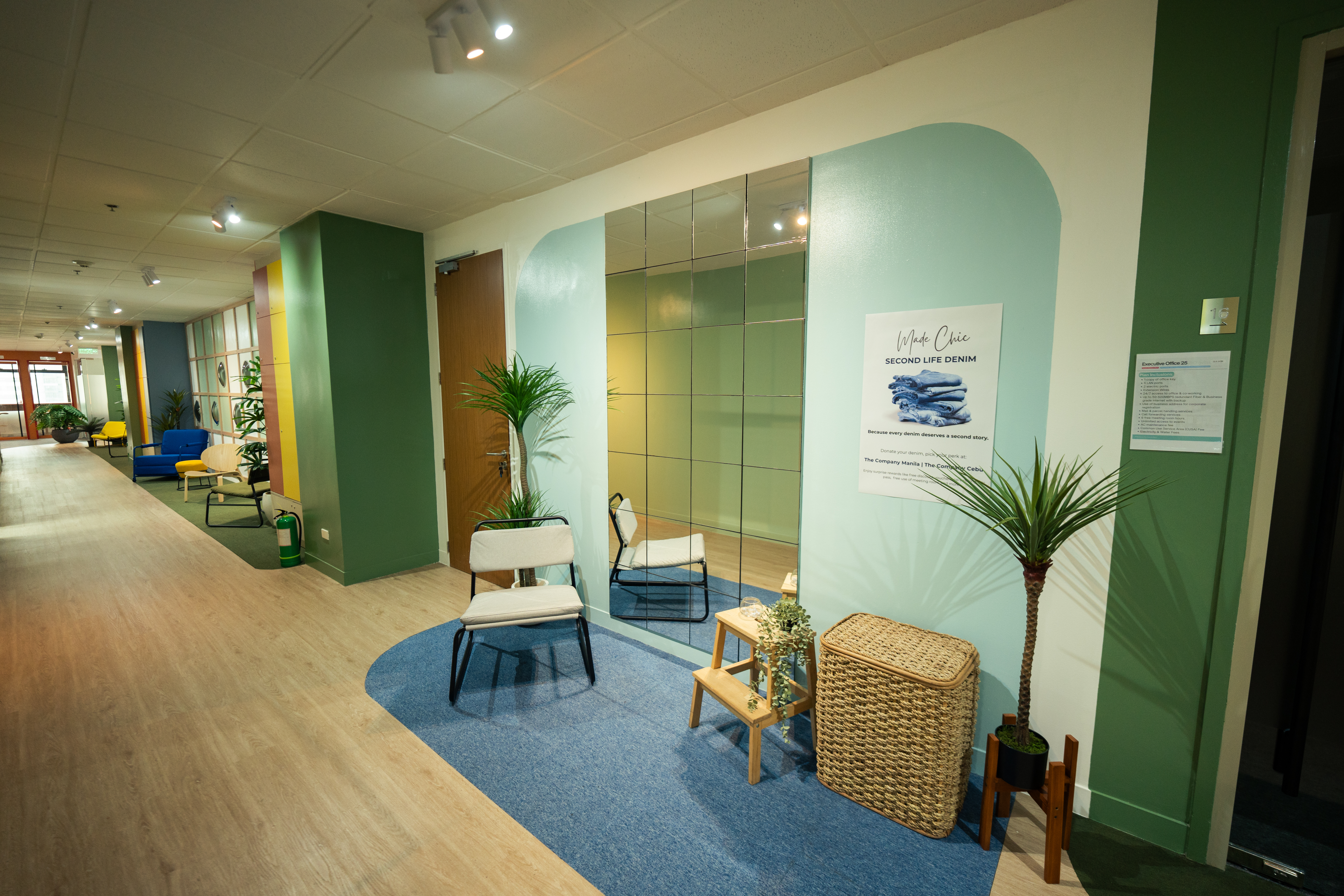
A strategy is only as effective as the environment in which it’s executed. A startup hub in Makati provides:
-
Access to like-minded founders and potential partners
-
Flexible spaces designed for focus and collaboration
-
A community that fosters learning, accountability, and alignment
At Zero-Ten Park, we don’t just provide desks—we provide the space to think, plan, and execute.
11F FRABELLE BUSINESS CENTER RADA ST. LEGAZPI VILLAGE, MAKATI CITY, PHILIPPINES
11F FRABELLE BUSINESS CENTER RADA ST. LEGAZPI VILLAGE, MAKATI CITY, PHILIPPINES
Strategy in 2026 is not a document. It’s a living system: clear, flexible, and people-centered. Founders and startup teams who combine smart workflows, continuous learning, and the right environment will thrive.
If you’re planning for 2026, start with clarity, cycle your strategy, and leverage your environment to execute smarter, faster, and together.
FREQUENTLY ASKED QUESTIONS
Why are 90-day cycles better than annual plans?
In the modern market, a year is too long to wait to “check-in.” 90-day cycles (Quarterly Sprints) allow you to stay agile. They provide enough time to see real data from your efforts but are short enough to allow for a “pivot or persevere” decision without wasting half a year of resources.
How do I keep my team from feeling ``meeting fatigue`` with weekly check-ins?
The goal isn’t more meetings; it’s better alignment. Keep weekly “Unblock Sessions” under 30 minutes. Focus exclusively on what is standing in the way of the 90-day goal, rather than status reporting that could have been an email.
We are a remote-first team. Can we still benefit from a ``Startup Hub`` mindset?
Absolutely. Many remote teams use hubs like Zero-Ten Park for “Anchor Days”—meeting once a week or month in person to handle high-level strategy and culture building. It provides the “high-bandwidth” communication that Zoom often lacks.
What is the biggest mistake founders make when planning for 2026?
Over-complication. Founders often try to solve every problem at once. For 2026, the winners will be those who choose three clear priorities and have the discipline to say “no” to everything else.
How do I incorporate AI into my 2026 strategy without it being a distraction?
Don’t treat AI as a strategy; treat it as a workflow accelerator. Identify your team’s biggest bottlenecks (e.g., content creation, coding, or data analysis) and implement AI learning sprints specifically to solve those friction points.
READY TO SIGN UP?
Book a tour, grab a desk, or host your next big event at Zero-Ten Park’s formerly The Company Makati. Whether you’re starting up, scaling up, or starting over — we’ve got the space, the energy, and the community to back you up. Let’s grow from 0 → 10. Complete the form below to get in touch.
"*" indicates required fields