


Understanding the Basics: An Experience at the 101 Basic Accounting and Taxation Seminar

In every business, whether large or small, understanding the fundamentals of accounting and taxation is essential. These two pillars don’t just keep a company compliant, they ensure its sustainability, efficiency, and credibility.
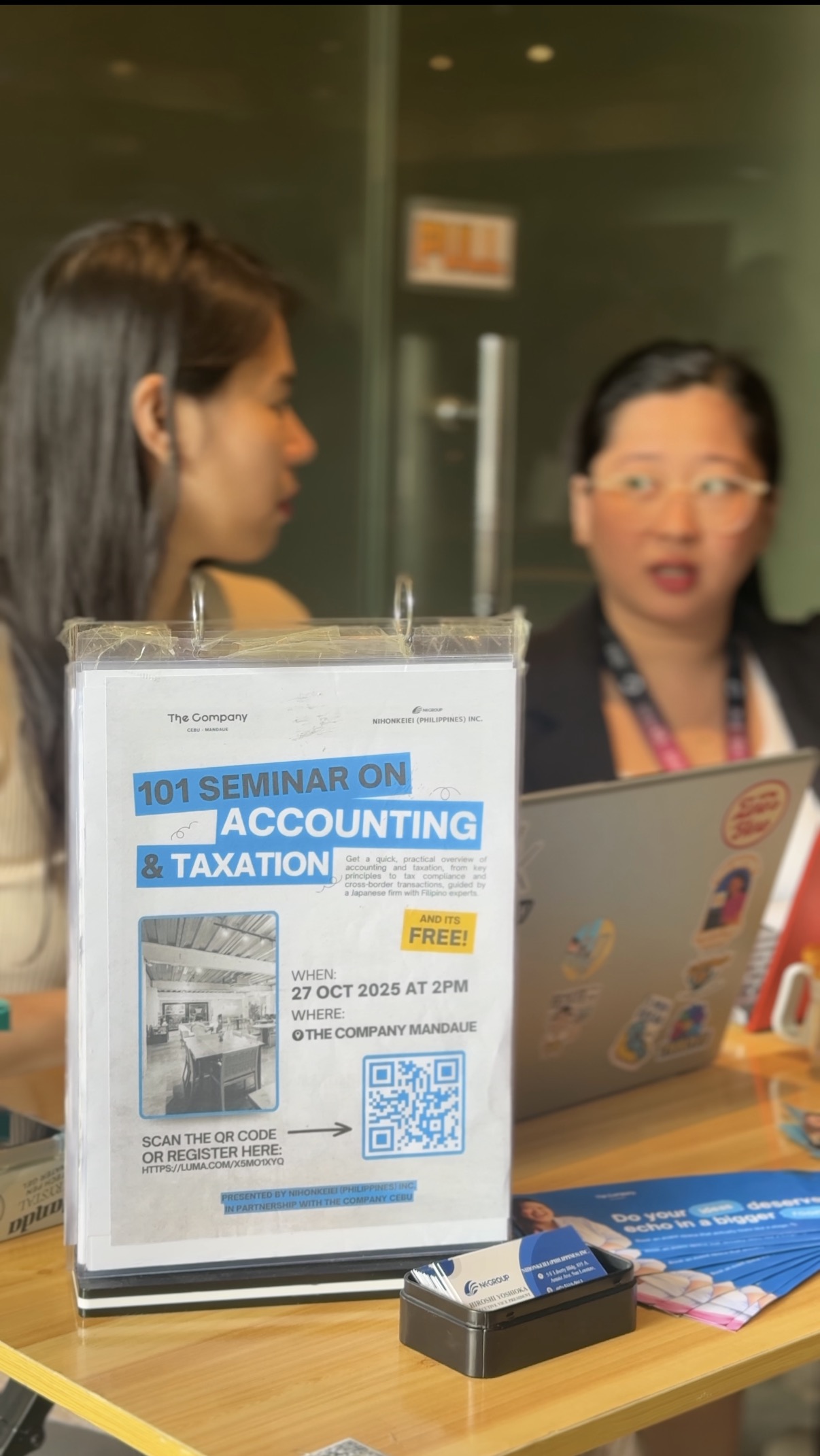
Recently, I had the opportunity to attend the 101 Basic Accounting and Taxation Seminar, an event designed to equip professionals, entrepreneurs, and business owners with a clearer understanding of financial management and compliance. It was an insightful experience that deepened my appreciation of how critical sound accounting and tax practices are in running a successful enterprise.
The Relevance of Accounting and Taxation in Today’s Business Environment
The seminar began by emphasizing a truth that often gets overlooked in the fast-paced world of business: numbers tell the real story of any organization. Accounting is often called the language of business—and for good reason. Through it, companies can communicate their financial health, performance, and direction to stakeholders, investors, and regulators.
Taxation, on the other hand, is the framework that allows businesses to operate legally and responsibly. It is not merely a compliance task but a key part of nation-building, as taxes support public services and economic growth. Understanding how these two systems interact helps ensure that a business can thrive within the law while making sound, strategic decisions.
The speakers at the event reinforced that no matter what industry you’re in, having even a basic grasp of accounting and taxation can make a huge difference. It helps business leaders make informed financial decisions, identify potential risks early on, and foster long-term stability.
A Well-Structured and Engaging Seminar
The event opened with remarks from Hiroshi Yoshioka, a company vice president whose experience in business process outsourcing provided valuable context. He highlighted how proper accounting and tax management contribute to efficiency, accountability, and overall business growth.
From the start, what stood out to me was how well-organized and interactive the seminar was. Unlike larger conferences that can feel impersonal, this session was intentionally intimate, allowing participants to engage directly with the speakers. It created a comfortable atmosphere where everyone could ask questions, exchange insights, and relate the discussion to their own professional experiences.
The organizers clearly wanted to foster genuine learning and connection—and they succeeded. It wasn’t just about presentations; it was about conversations that helped clarify real-world challenges and solutions.
Key Learnings from the Accounting Session
The accounting session focused on the importance of financial literacy in running a business. While the concepts shared were foundational, the discussion made me realize how essential these basics are in understanding the bigger picture.
The speaker emphasized that accounting goes beyond bookkeeping—it’s a decision-making tool. Whether it’s tracking cash flow, managing expenses, or planning for growth, accounting provides the data and insights necessary to make those choices wisely.
I was particularly struck by how accounting principles help ensure transparency and accountability. Maintaining accurate records and understanding financial statements aren’t just for compliance—they build trust with clients, investors, and employees. Businesses that practice good accounting are better positioned to attract partners and sustain long-term relationships.
The session also reinforced how vital organization and consistency are in financial management. Even simple practices—like timely documentation and clear categorization of expenses—can make a big difference when it comes to evaluating performance or preparing reports.
Understanding the Value of Compliance
The accounting session focused on the importance of financial literacy in running a business. While the concepts shared were foundational, the discussion made me realize how essential these basics are in understanding the bigger picture.
The speaker emphasized that accounting goes beyond bookkeeping—it’s a decision-making tool. Whether it’s tracking cash flow, managing expenses, or planning for growth, accounting provides the data and insights necessary to make those choices wisely.
I was particularly struck by how accounting principles help ensure transparency and accountability. Maintaining accurate records and understanding financial statements aren’t just for compliance—they build trust with clients, investors, and employees. Businesses that practice good accounting are better positioned to attract partners and sustain long-term relationships.
The session also reinforced how vital organization and consistency are in financial management. Even simple practices—like timely documentation and clear categorization of expenses—can make a big difference when it comes to evaluating performance or preparing reports.
The Power of Asking Questions
One of the seminar’s best features was its open Q&A session. Participants were encouraged to ask anything—from clarifying concepts to sharing specific challenges they faced in their own organizations. The speakers were patient and detailed in their responses, offering practical insights that attendees could immediately apply. This segment added immense value to the experience. It transformed the seminar from a lecture into a meaningful dialogue, where everyone walked away with a clearer understanding of both basic and practical accounting and taxation matters.
Personally, I found the discussions around business expenses, employee allowances, and reporting practices particularly enlightening. Even seemingly small details can have big implications when it comes to compliance and accuracy.
A Close-Knit and Impactful Learning Environment
Another highlight of the experience was the intimate atmosphere the organizers intentionally created. With fewer participants, the session allowed for more focused engagement and collaboration.
The speakers took the time to connect with everyone individually, ensuring that each question was addressed and each participant felt involved. This kind of setup made learning more personal and less intimidating, especially for those who might not have an accounting or finance background.
It was refreshing to be part of a group that valued shared learning over competition. The conversations that happened during breaks and informal moments were just as valuable as the talks themselves, as participants exchanged practical experiences and business insights.
Personal Reflections and Key Takeaways
Attending the 101 Basic Accounting and Taxation Seminar was both informative and inspiring. It reminded me that no matter what role you play in an organization, understanding the financial side of business is crucial.
Here are my biggest takeaways:
-
Accounting is the foundation of business decisions. It helps leaders measure performance, plan strategies, and maintain financial health.
-
Compliance builds credibility. Following accounting and tax regulations isn’t just about meeting legal requirements—it’s about upholding integrity and professionalism.
-
Taxation supports sustainability. Understanding taxes helps businesses operate efficiently and contribute responsibly to society.
-
Continuous learning is vital. Even for those who aren’t finance professionals, attending seminars like this keeps you informed and confident in navigating the business landscape.
More than anything, this seminar reaffirmed that financial knowledge empowers people. When you understand where your business stands financially, you can make smarter, data-driven decisions that move you forward.

Looking Forward: Encouraging Financial Awareness
The seminar concluded with a message that stayed with me: financial literacy is not optional—it’s essential. In a time when businesses are rapidly evolving and digital transformation is changing how we manage finances, staying informed is more important than ever.
The 101 Basic Accounting and Taxation Seminar succeeded in making complex topics more accessible and practical. It reminded everyone that understanding financial systems is not just for accountants or finance teams—it’s for anyone who wants to lead effectively and manage a business responsibly.
Hopefully, more initiatives like this will be organized in the future—seminars that not only educate but also empower professionals and entrepreneurs to make informed financial choices with confidence and integrity.