

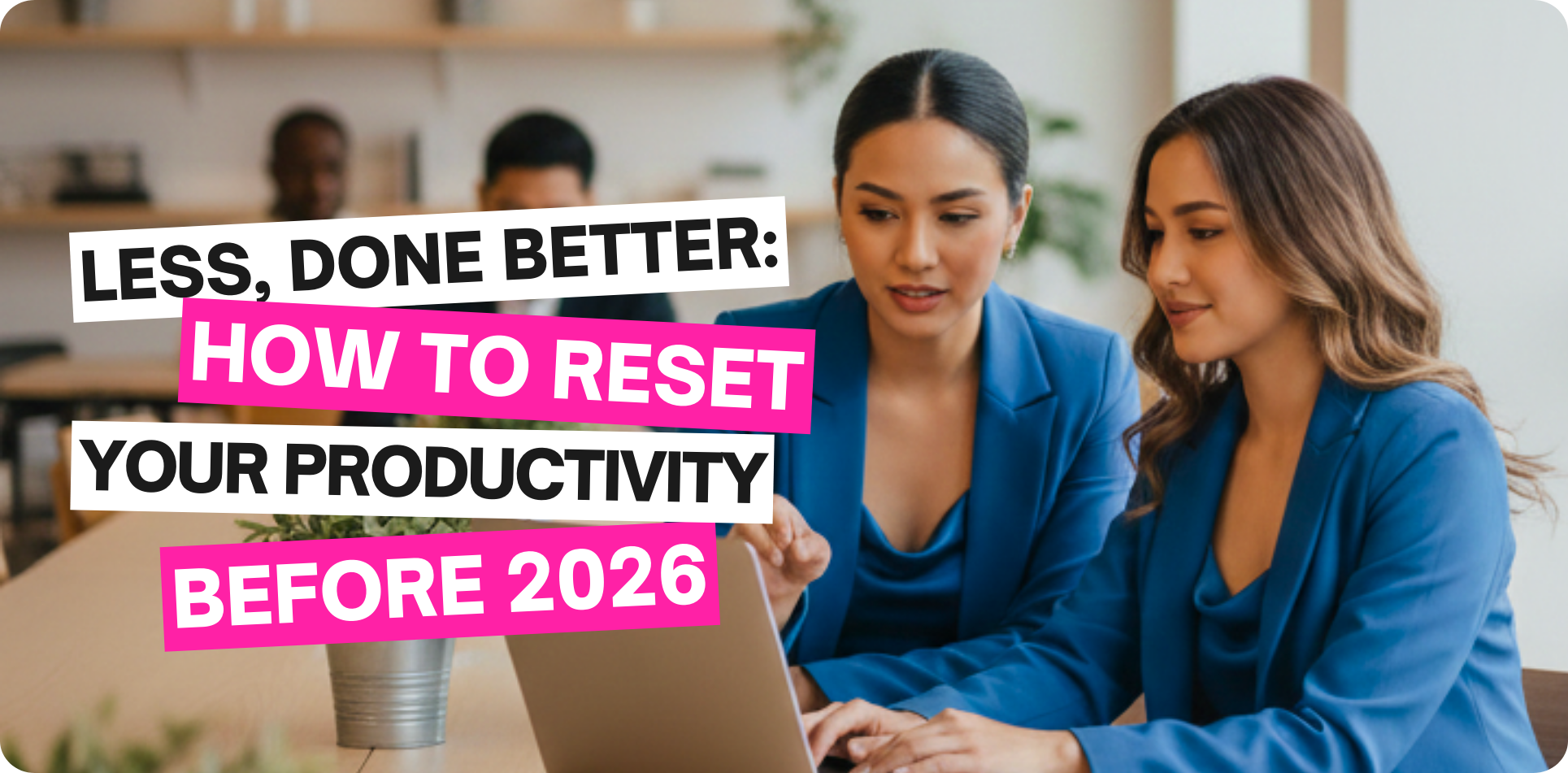
Less, Done Better: How to Reset Your Productivity Before 2026

The end of December usually triggers a specific kind of panic. We look at our uncompleted goals for 2025, look ahead to the blank slate of 2026, and instinctively reach for a new tool. We buy the complex planner, download the new project management app, or commit to a grueling 5:00 AM routine.
But here is the hard truth: New tools cannot fix broken processes.
At Zero-Ten, we believe that productivity isn’t about maximizing output until you break; it’s about managing capacity so you can finish what matters. As we stand on the precipice of a new year, we don’t need more apps. We need a reckoning with how we work.
Productivity Isn’t Broken—Our Expectations Are
If you feel unable to focus, it is likely not a failure of discipline. It is a mismatch of capacity.
The human brain evolved for linear tasks, distinct focus, and periods of rest. It did not evolve for Slack pings every 30 seconds, three simultaneous browser windows, and the cognitive weight of the entire internet in your pocket.
Dr. Gloria Mark (University of California, Irvine), in her extensive research and her book Attention Span: A Groundbreaking Way to Restore Balance, Happiness and Productivity (2023), found that the average attention span on any one digital screen has decreased from 150 seconds in 2004 to just 47 seconds in recent years.
-
The Study: Mark’s research shows that when we switch tasks frequently (the “hustle” mode), it takes significantly more “cognitive switch cost” to re-engage, leading to higher stress and lower output.
-
The Link: This proves that modern work environments, which demand constant switching between Slack, email, and deep work, routinely exceed the brain’s natural ability to maintain focus.
The Insight: Trying to force more output without reducing cognitive load is like trying to tow a boat with a compact car. The engine isn’t broken; the load is simply too heavy for the vehicle.
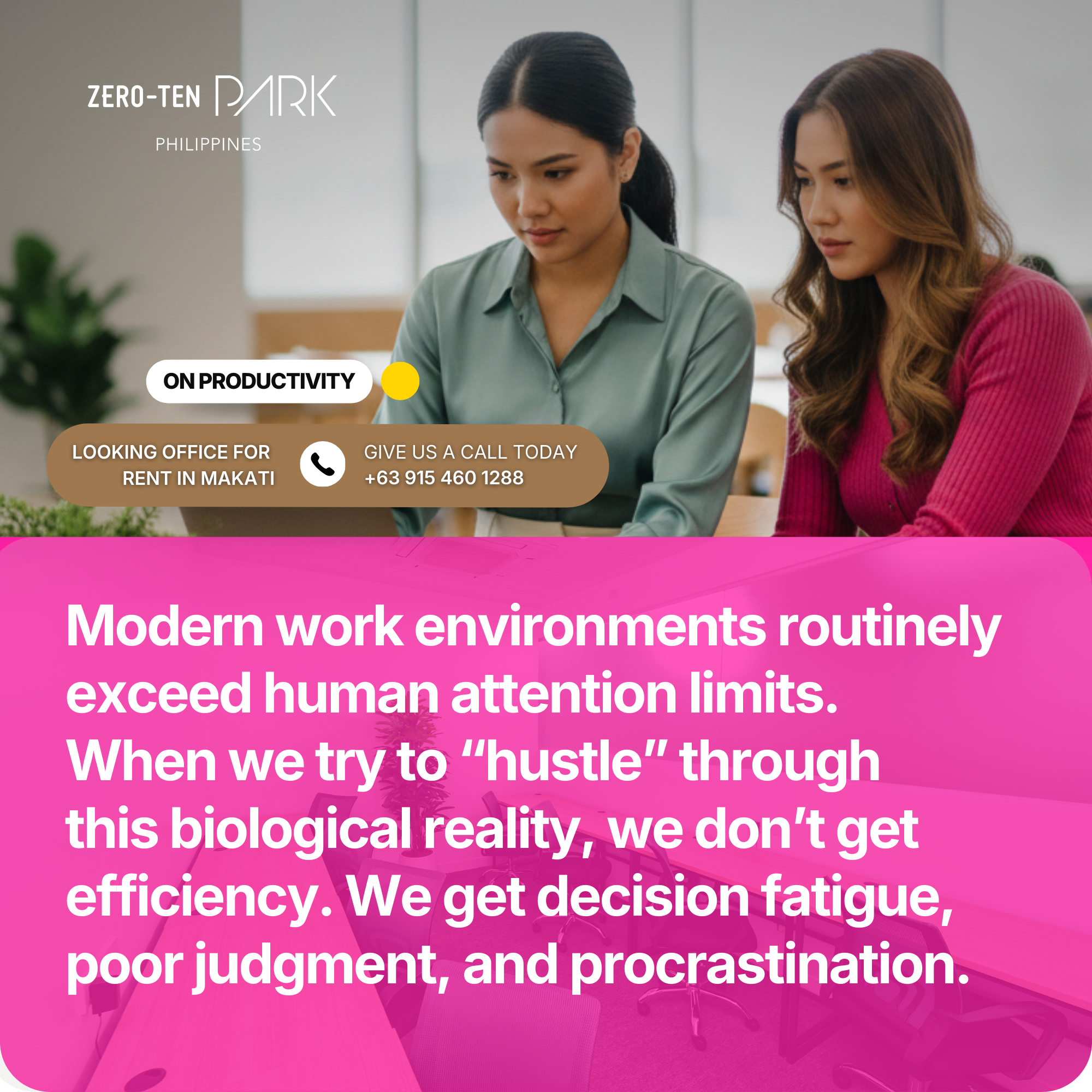
Modern work environments routinely exceed human attention limits. When we try to “hustle” through this biological reality, we don’t get efficiency. We get decision fatigue, poor judgment, and procrastination.
The 2026 Rule
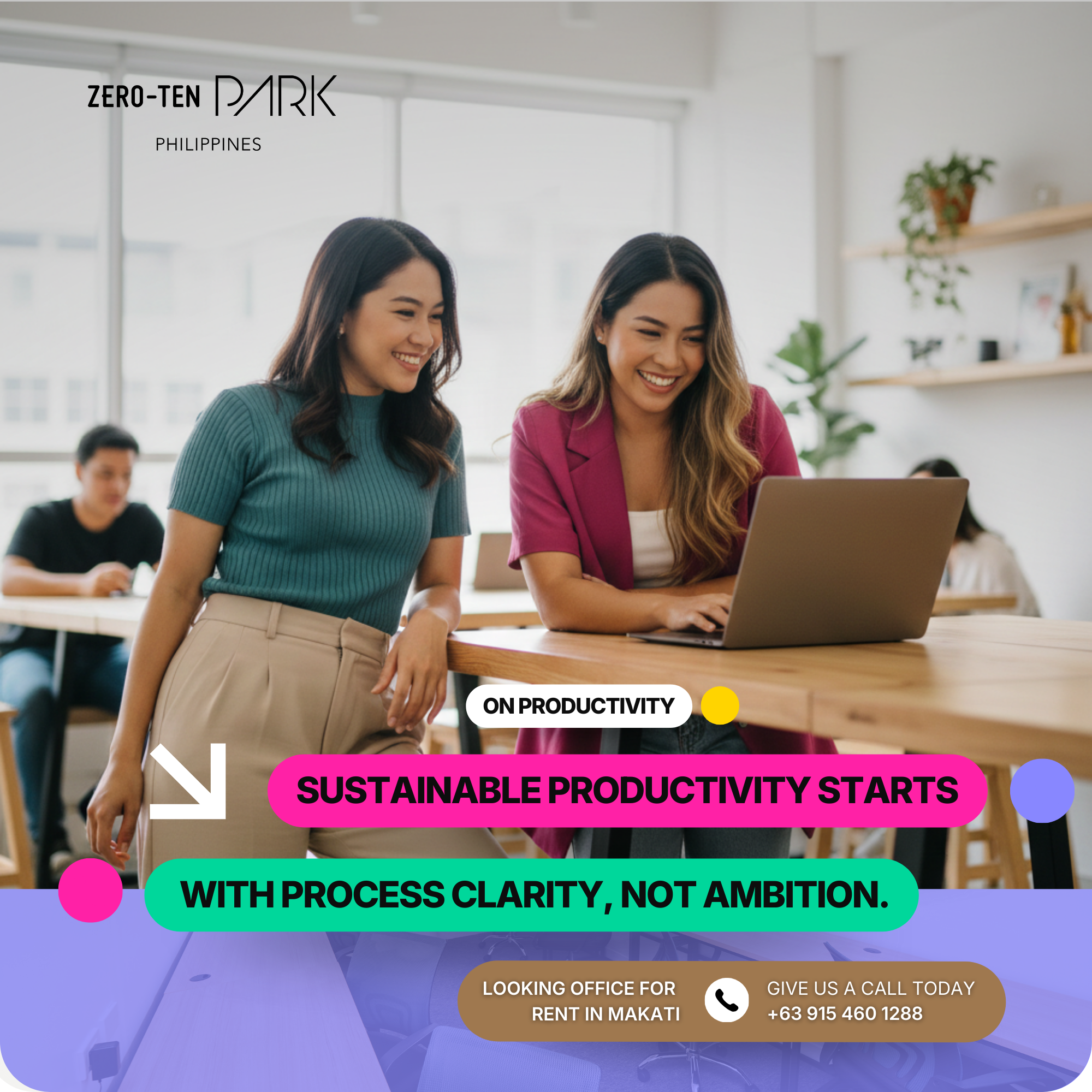
Sustainable productivity starts with process clarity, not ambition. If a system feels like a chore, you won’t stick with it when February hits. For 2026, don’t ask “How can I track more?” Ask “How can I do more by tracking less?”
Systems Beat Goals (But Only When They’re Simple)
We often confuse the destination with the vehicle.
- A Goal is an outcome (“Write a book in 2026”).
- A System is a repeatable behavior (“Write for 45 minutes every morning”).
Goals provide direction, but systems provide momentum. However, there is a trap here. Many teams build productivity systems that are so complex they become administrative labor rather than actual work. If your productivity system requires you to spend an hour a day “managing” it, the system has failed.
To understand the difference, look at how two different managers might approach a “Client Growth” goal for 2026:
-
The Complex Fail: Manager A sets up a project management board with 12 custom tags, automated notifications for every sub-task, and a mandatory 30-minute daily “sync” to update the board’s status. By Wednesday, the team is so exhausted from updating the tool that they haven’t made a single sales call.
-
The Simple Win: Manager B implements a Single-Thread system. The rule is: “Send five personalized reach-out emails before opening any other browser tabs.” There are no dashboards to manage and no tags to assign. The system is invisible because it is the work.
The Hidden Cost of "Staying Busy"
We have collectively fallen for a dangerous illusion: that movement equals progress.
- Emails sent? Check.
- Meetings attended? Check.
- Tasks rearranged in the dashboard? Check.
This is “busyness.” It feels like work, but often results in nothing being finished. Many digital tools function as “comfort blankets”—they create a feeling of control without the substance of completion. Breaking work into hundreds of micro-tasks often increases mental strain rather than reducing it, leading to a day where you feel exhausted but have nothing to show for it.
In Cal Newport‘s Deep Work: Rules for Focused Success in a Distracted World, he emphasizes that modern workers spend most of their time in “Shallow Work”—non-cognitively demanding, logistical-style tasks (emails, Slack, minor updates) often performed while distracted.
-
The Cost: Shallow work provides the feeling of being busy but rarely creates new value. In contrast, “Deep Work” is the ability to focus without distraction on a cognitively demanding task.
-
The “Comfort Blanket” Link: Newport argues that shallow work is easier and gives us a sense of safety, which is why we retreat into it when the “real” work gets hard.
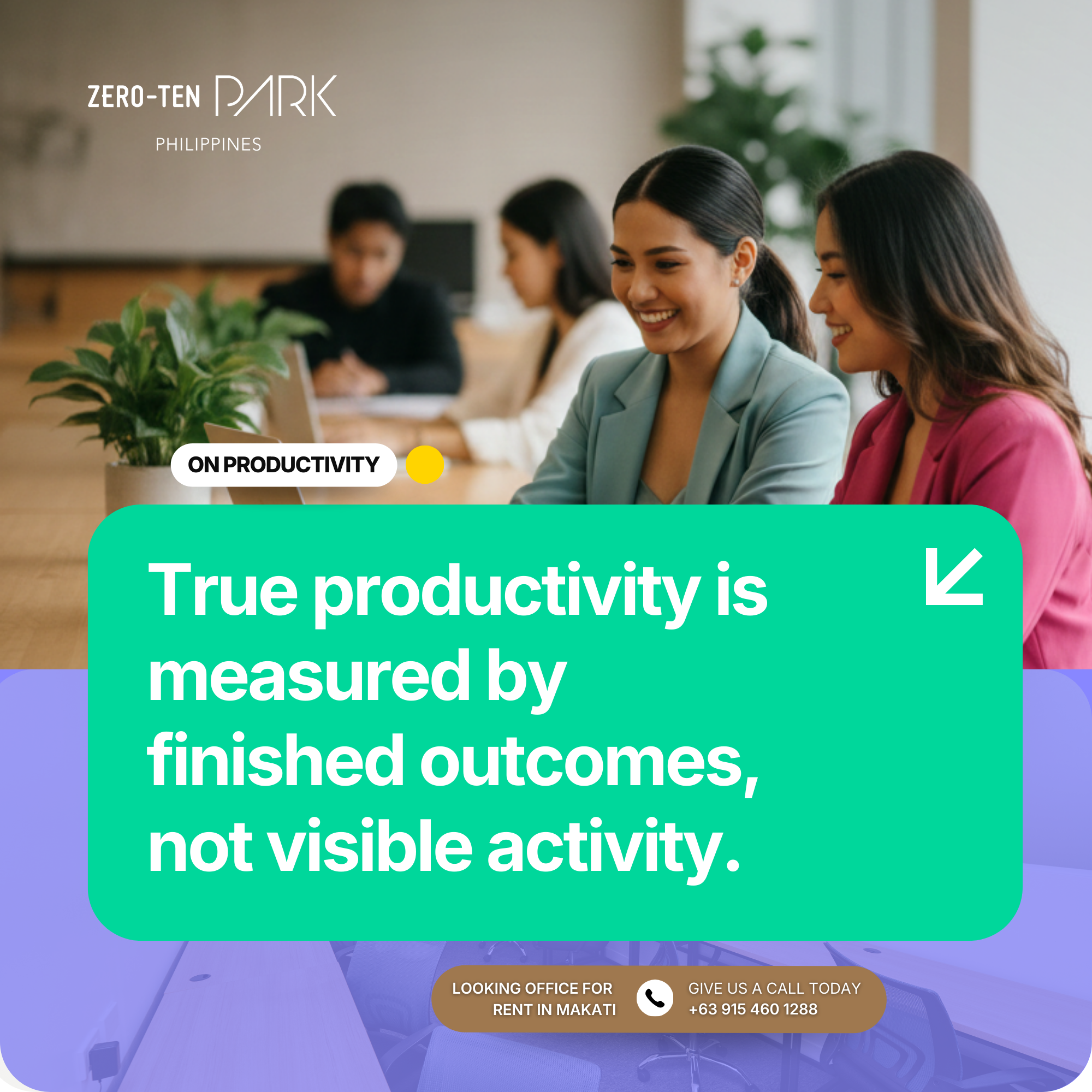
True productivity is measured by finished outcomes, not visible activity.
The Environment Factor: Lessons from the Coworking Floor
At Zero-Ten Park Philippines, our productivity is tested daily within the physical constraints of a shared co-working space. We have learned that the environment is the invisible hand that shapes output.
Working in a shared physical space has taught us lessons that remote-only teams often miss.
1. The “Glass Box” Effect (Body Doubling)
In our co-working space, we utilize the psychological concept of “body doubling.” When you are physically surrounded by people who are focused, it becomes significantly harder to doom-scroll.
- The Situation: It’s 2:00 PM on a Tuesday. Energy is low. But looking across the desk and seeing a teammate deep in a design flow creates a “social anchor.” You focus because they are focusing. No app can replicate that shared energy.
2. Physical Barriers as Cognitive Signals
We learned the hard way that open-plan offices can be distraction factories. To combat this, we developed physical “Do Not Disturb” signals.
- The Situation: We realized that a Slack status of “Away” is often ignored, but a pair of over-ear noise-canceling headphones is a universal “Stop” sign.
- The Protocol: If the big headphones are on, you do not tap that person on the shoulder unless the building is on fire. This physical boundary protects deep work in a way digital notifications never could.
3. The “Commute” as a System
Surprisingly, we found value in the commute. In a work-from-home world, there is no separation between “living” and “working.”
- The Situation: Arriving at the space creates a hard start to the day. Leaving the space creates a hard stop. We’ve had team members admit that the simple act of packing a bag and walking out the door allows them to mentally “clock off” without the lingering guilt that plagues home-office workers.
What Actually Works: Habits from the Zero-Ten Team
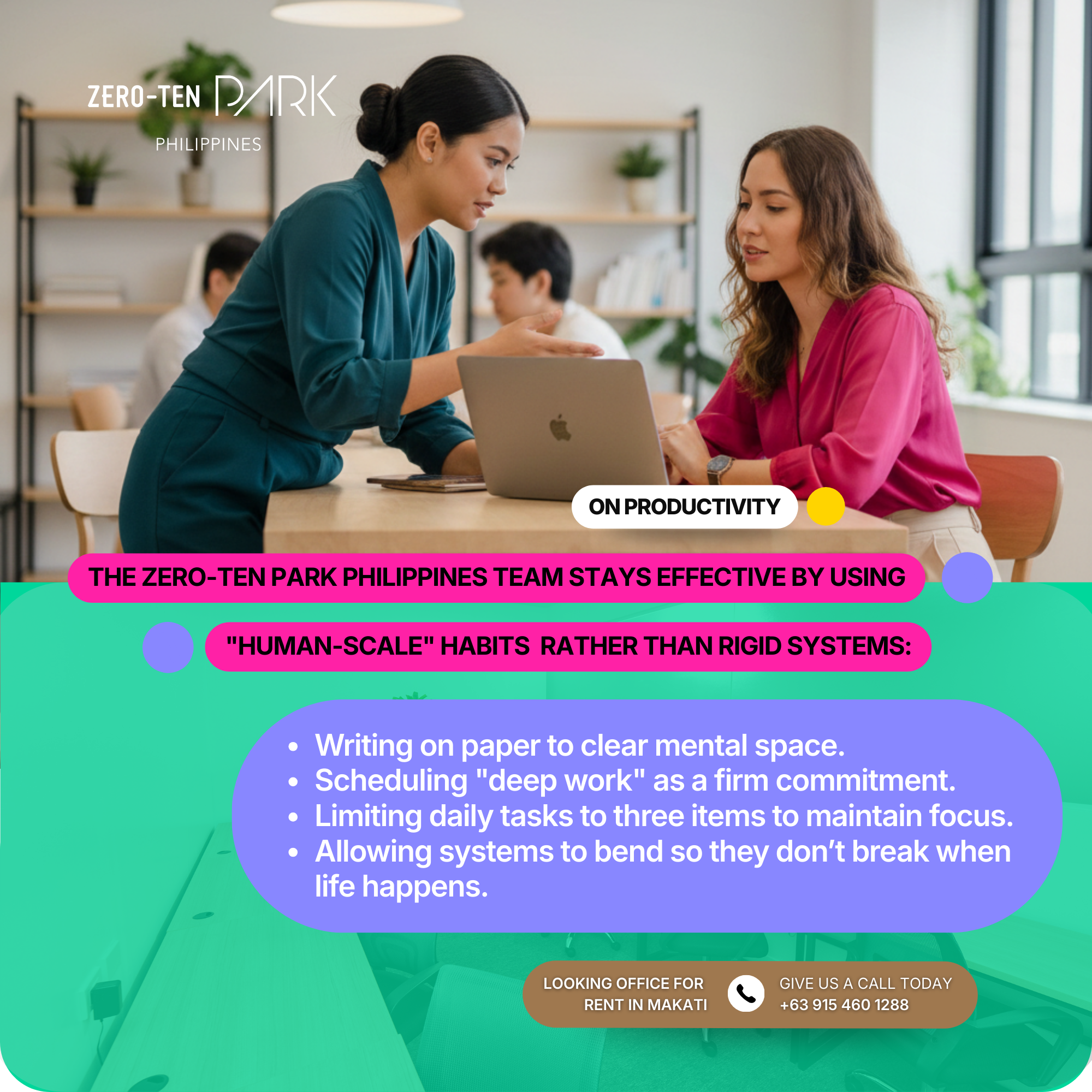
At Zero-Ten Park Philippines, we don’t subscribe to one rigid methodology. However, when we look at our most effective team members, specific “human-scale” patterns emerge. Here are the ways that our team has found to respect human attention.
1. Analog Still Wins
Despite being a digital-forward company, many of us use physical tools. Writing things down on paper or sticky notes helps offload mental RAM. It creates a physical boundary for the work.
2. The Calendar as a Commitment Device
Calendars aren’t just for meetings. We use them to block out “deep work.” If it isn’t on the calendar, it’s just a wish.
3. Small Lists, Big Focus
A to-do list with 20 items is a recipe for anxiety. A list with three items is a plan of attack. Limiting daily tasks prevents overwhelm and forces you to prioritize what actually moves the needle.
4. Permission to be Flexible
Rigid systems shatter when life happens. The best productivity patterns allow for the unexpected call or the sudden urgency without derailing the entire week.
This section is specifically for the foreign founder or professional managing a team in the Philippines.
For a foreign professional, “productivity” is often synonymous with efficiency and directness. But when building a Filipino team, you quickly learn that productivity is rooted in relational trust (Pakiusap) and psychological safety.
If you are a foreign leader wondering why your team isn’t flagging bottlenecks or why a “Yes” didn’t result in a finished task, the issue isn’t a lack of work ethic—it is a mismatch in communication systems.
The Cultural Bridge: Building Productivity with Filipino Teams
1. The “Hiya” and the “Yes” Trap
In Western cultures, saying “I can’t do this” is seen as professional honesty. In the Philippines, it can feel like a failure or a loss of face (Hiya).
- The Situation: You assign a complex task with a Friday deadline. The team member says “Yes, sir/ma’am.” Friday arrives, and the task is 20% done.
- The Reset: Productivity requires replacing the “binary yes” with Incremental Visibility. Instead of asking “Can you do this?”, ask “What part of this will be the most difficult to finish by Friday?” This shifts the focus from a personal promise to a systemic challenge.
2. Relationship as a Productivity Multiplier
In many Western frameworks, social talk is “noise.” In a Filipino team, social talk is the “oil” that makes the machine move.
- The Situation: You skip the morning pleasantries in the co-working lounge to “save time.”
- The Consequence: You’ll find the team becomes hesitant to share ideas or ask for help, leading to silent roadblocks.
- The Strategy: Invest in the kumustahan (the catch-up). A team that feels seen is a team that will move mountains to hit a deadline. At Zero-Ten, we’ve realized that 15 minutes of genuine connection in the morning saves two hours of miscommunication in the afternoon.
3. Context-Rich Feedback
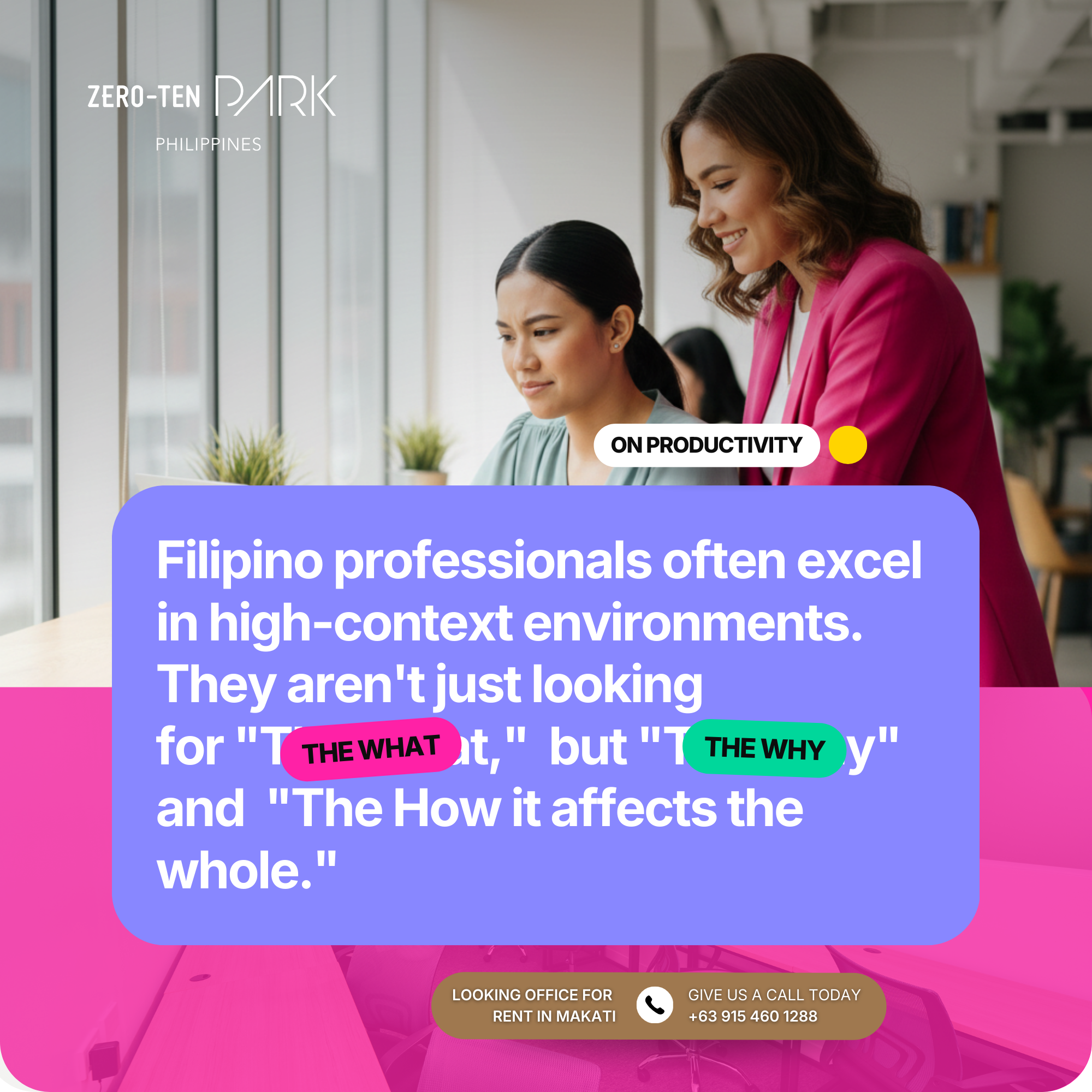
Filipino professionals often excel in high-context environments. They aren’t just looking for “The What,” but “The Why” and “The How it affects the whole.”
- The Insight: When you give a task without context, productivity drops because the team is left guessing your intent to avoid making a mistake.
- The Shift: Move from Command-and-Control to Context-and-Clarity. When the team understands the “Why,” they become incredibly resourceful at navigating the “How.”
Outcome-Driven Work: Finish More by Planning Less
A critical realization for 2026 is that managing productivity is not the same as producing results.
To build momentum, shift your focus from “tasks” to “outcomes.”
- Task: “Email graphic designer,” “Review copy,” “Check metrics.”
- Outcome: “Finalize and launch the Q1 Campaign.”
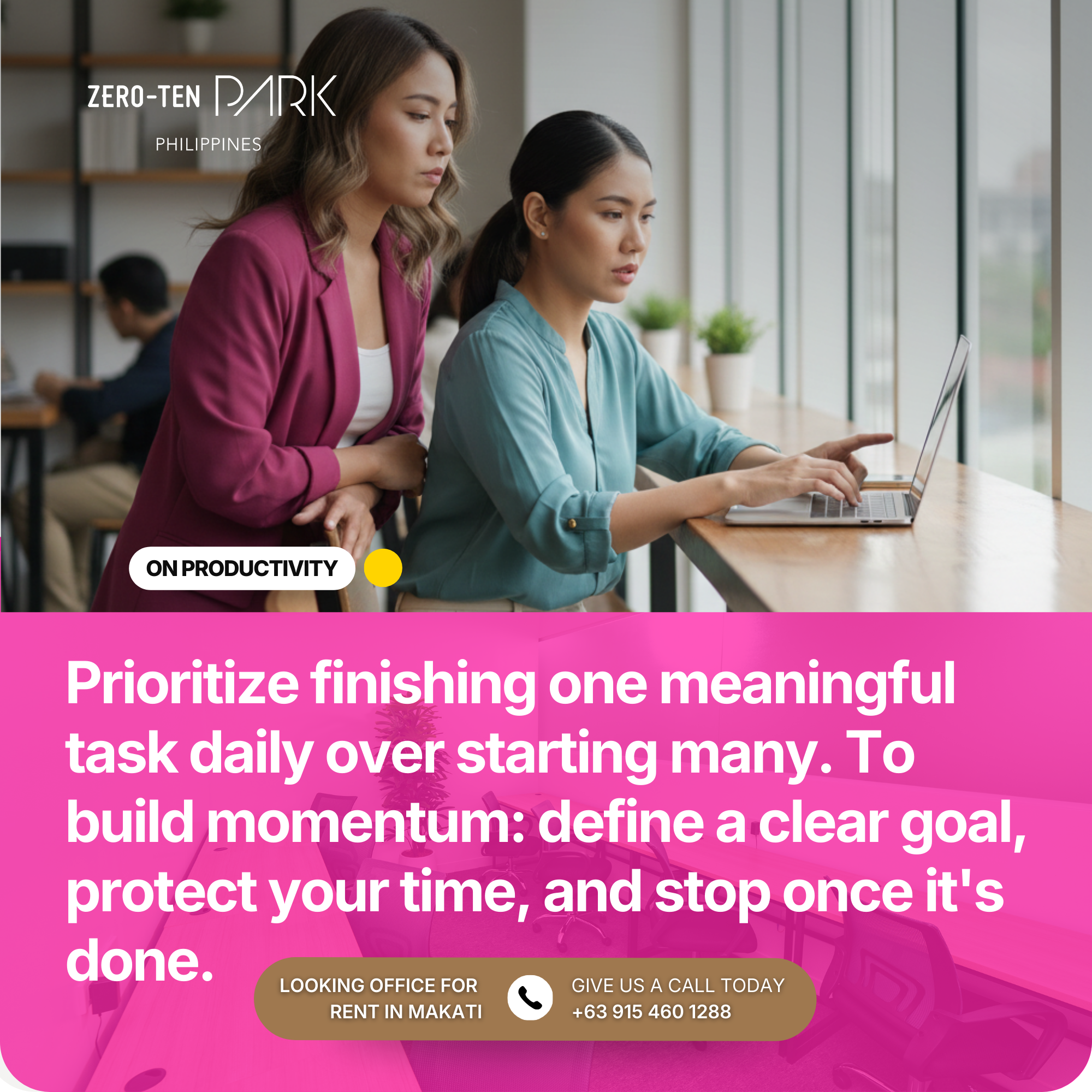
Finishing one meaningful outcome per day builds far more momentum than half-starting twenty different tasks. This requires a shift in mindset:
- Define the finish line clearly before you start.
- Protect the window of time needed to reach it.
- Stop working when the outcome is achieved.
Peter Gollwitzer’s (New York University) research on “Implementation Intentions” proves that how we define a goal determines our success rate.
-
The Study: Over 90 studies showed that people who clearly defined the “when, where, and how” of an outcome were significantly more likely to reach the finish line than those who simply had a vague “to-do list.”
-
The Link: Shifting from “Email designer” (a task) to “Finalize Q1 Campaign” (an outcome) acts as a mental trigger that coordinates your brain’s resources toward a specific finish line.
Preparing for 2026: A Subtractive Reset
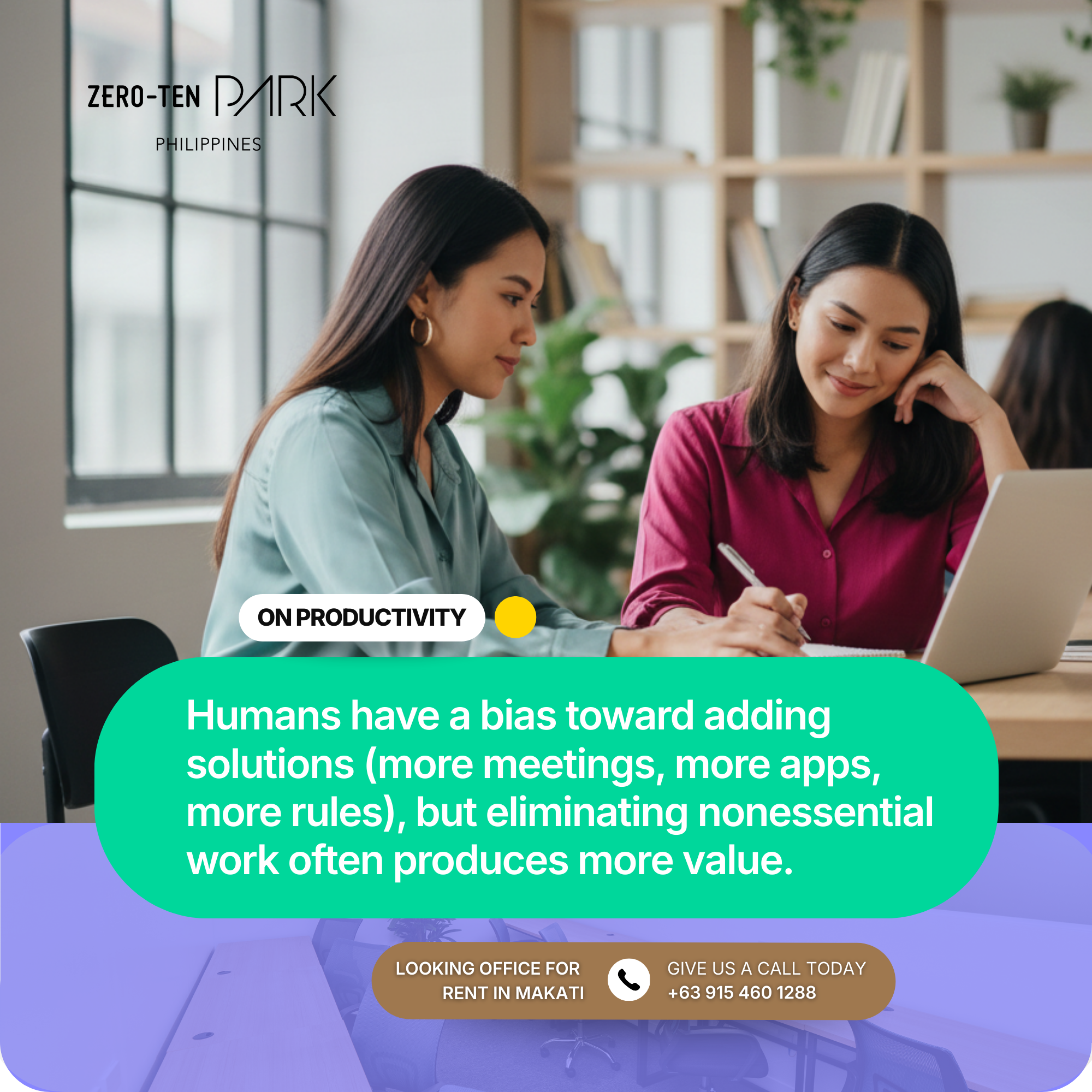
As you prepare for the new year, resist the urge to add more to your plate. Instead, practice subtraction. Humans have a bias toward adding solutions (more meetings, more apps, more rules), but eliminating nonessential work often produces more value.
Ask yourself these diagnostic questions:
- What drains my attention without producing value?
- What “best practices” am I following that actually slow me down?
- Where are my boundaries missing?
Design a workday for 2026 that respects your limits. Acceptance of these limits isn’t weakness; it’s the only path to clarity.
Rest Is Not a Reward—It’s a Requirement
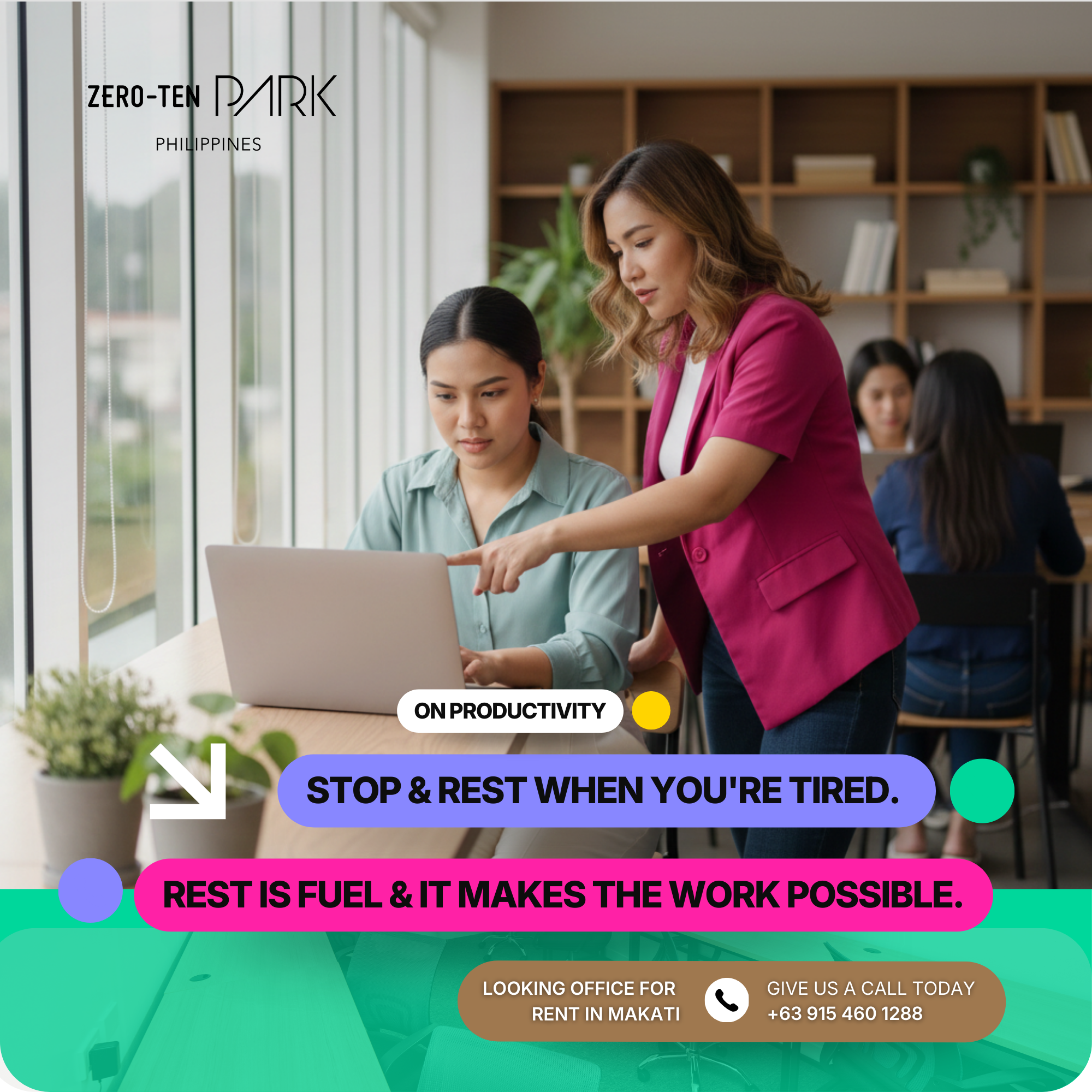
Finally, we must dismantle the toxic productivity myth that rest is a luxury we “earn” only after every task is cleared. In the high-pressure transition to 2026, we must recognize a biological hard truth: At cognitive capacity, the most effective productivity move is often to stop.
When we attempt to “hustle” through mental exhaustion, we aren’t actually working; we are simply performing the appearance of work while our error rates skyrocket and our judgment dissolves. This state, known in clinical psychology as Cognitive Overload, leads to a “diminishing returns” curve where every additional hour spent at the desk actually degrades the quality of the project.
To stay competitive, we must shift our perspective: Rest is not a reward you get for finishing the work; it is the fuel required to do the work in the first place. Just as an elite athlete views recovery as a mandatory part of their training regimen, a high-performing professional must view “disengagement” as a high-value skill.
In the coming year, remember: the person who rests well will always outperform the person who is merely “always on.”
Conclusion: You Probably Did Enough
If you are reading this while feeling the crushing weight of every unchecked box, unread email, and “missed” opportunity of 2025, take a breath. It is time to acknowledge a fundamental truth: Humans are finite, but the digital world is infinite.
The feeling that you are “behind” is often a symptom of a modern work culture that ignores biological reality. We have been conditioned to believe that if we just find the right app or push through one more hour of “hustle,” we can finally close the gap. But the gap cannot be closed by doing more; it can only be managed by choosing better.
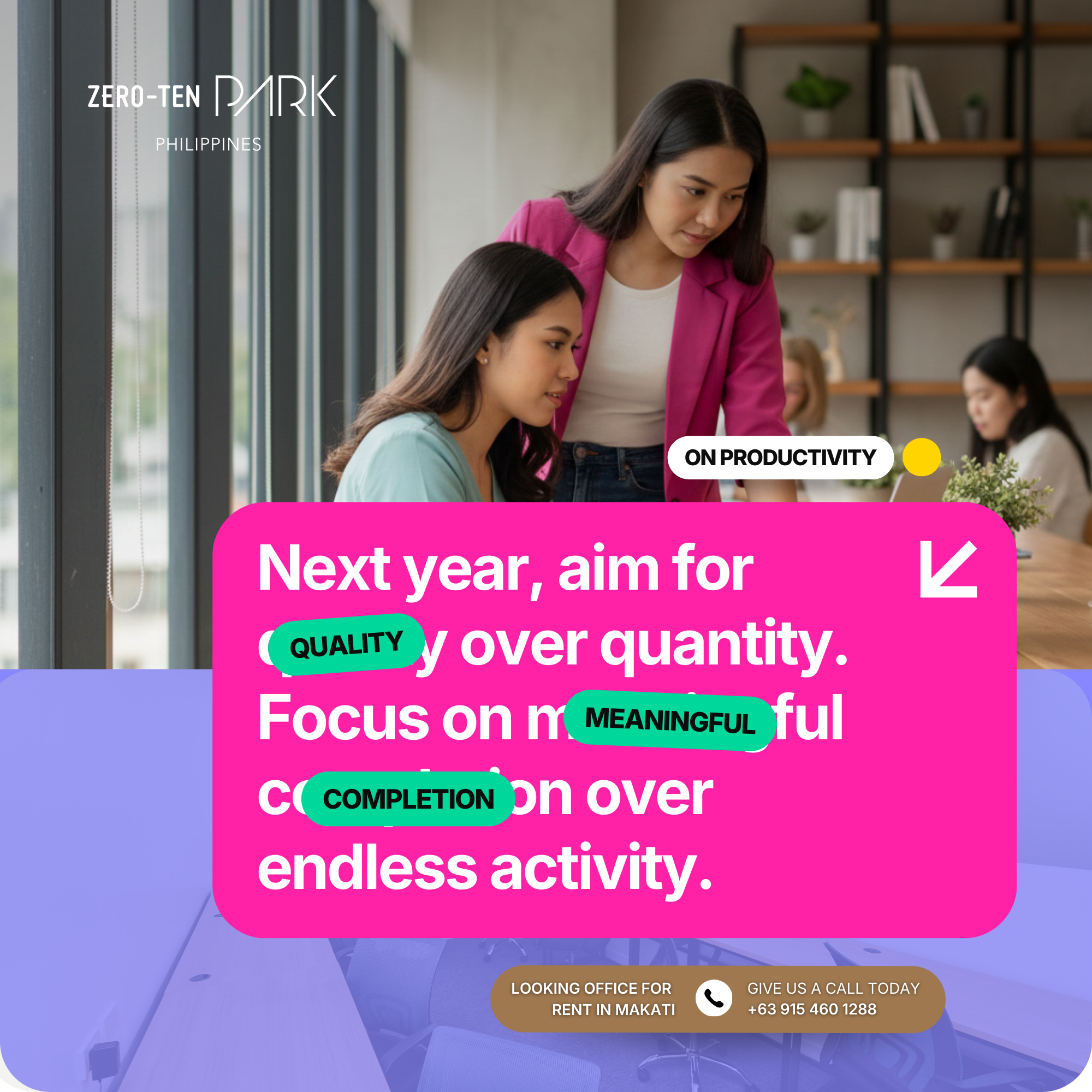
As you transition into the new year, remember that true productivity isn’t measured by the hours you were visible or the number of tasks you rearranged in a dashboard. It is measured by the clarity of your focus and the substance of your completion.
Your 2026 Mantra: I am a high-performer because I finish what matters, not because I attempt everything.
Instead of asking, “What more could I do today?” try asking, “What did I get done today?” and allow yourself to be content with that answer. You are not a tractor-trailer; you are a human being. And for today, you have probably did enough.
BONUS:
The most liberating realization for 2026 is the concept of YAMA.
Unlike FOMO (Fear Of Missing Out), which is driven by anxiety, YAMA is an honest acceptance of the human condition. Because our time, attention, and cognitive energy are limited, we will always miss out on something. By accepting these constraints rather than fighting them, we can shift from a state of constant panic to one of intentional curiosity.

GET PRODUCTIVE AT OUR CO-WORKING SPACE TODAY
"*" indicates required fields
Ready to level up your business presence and save more every month? Complete the form now and our team will handle the rest.